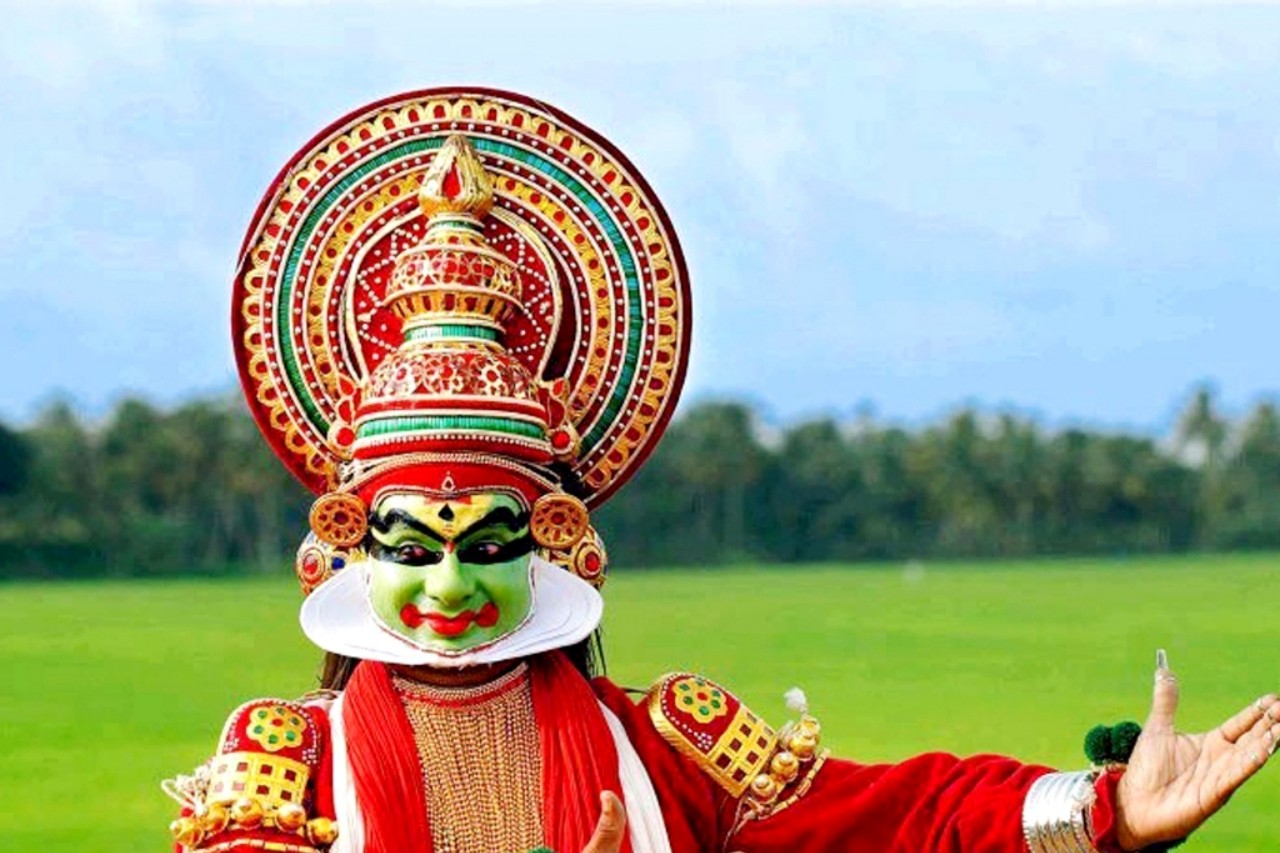
Kerala is widely considered one of India’s most beautiful states, famously known as “God’s Own Country,” due to its stunning, diverse landscapes featuring lush Western Ghats, serene backwaters, palm-lined beaches, and vibrant greenery. This natural beauty, combined with rich cultural heritage, Ayurvedic wellness traditions, and tranquil, tropical surroundings, makes it uniquely captivatin .
Kerala is a southwestern coastal state of India, established on November 1, 1956, often recognized as “God’s Own Country” for its tropical beauty. It is characterized by a high literacy rate, superior social development indicators, a tropical monsoon climate, and a unique, narrow geography divided into highlands, midlands, and coastal lowlands.
Here is a detailed breakdown of why Kerala is so beautiful:
- Diverse Topography: The state is a narrow strip squeezed between the Western Ghats (mountain range) and the Arabian Sea, offering a rare, compact blend of pristine beaches, lush hill stations, and vast spice plantations.
- The Backwaters (Venice of the East): A network of interconnected canals, lakes, and estuaries, particularly in Alappuzha (Alleppey) and Kumarakom, offers peaceful boat rides through coconut groves and rural life.
- Verdant Hill Stations: Areas like Munnar, Wayanad, and Thekkady are covered in tea, coffee, and cardamom plantations, offering cool climates and breathtaking views of rolling green hills.
- Tropical Climate & Greenery: Consistent, high rainfall ensures year-round greenery, making the landscape far more vibrant and lush compared to many other regions.
- Abundant Water Resources: With 44 rivers and numerous waterfalls, such as Athirappilly, the state is perpetually green and rejuvenated.
- Cultural & Artistic Heritage: The beauty is not just natural; it includes traditional art forms like Kathakali, vibrant festivals (e.g., Thrissur Pooram), and unique, well-preserved, and colorful architecture.
- Authentic Ayurveda & Lifestyle: As the birthplace of Ayurveda, the state promotes a holistic, relaxed lifestyle, and the local cuisine, rich in coconut and spices, adds to the sensory experience.
- Rich Biodiversity: It houses several wildlife sanctuaries, such as Periyar National Park, preserving diverse flora and fauna in their natural, tropical habitat.
- Geography: Situated on the Malabar Coast, bordered by the Arabian Sea to the west and the Western Ghats to the east. It has a coastline of 580 km and is known for its backwaters, lagoons, and lush green scenery.
- Climate: Predominantly a tropical monsoon climate with high rainfall (average 3107 mm), featuring two rainy seasons and a generally warm, humid, and pleasant climate.
- Administrative/Political: Formed in 1956 by merging Malayalam-speaking regions, it is divided into 14 districts with Thiruvananthapuram as its capital. It is known for having a high number of Panchayat units.
- Society & Development: Known for the “Kerala Model of Development,” characterized by the highest literacy rate, lowest infant mortality, and high life expectancy in India.
- Economy: Primarily driven by tourism, services, healthcare, and agriculture (spices, rubber, coconut, cashew). It is a major exporter of marine products and coir.
- Culture & Language: The official language is Malayalam. It is known for a rich cultural blend, with diverse festivals like Onam, Vishu, Christmas, and Bakrid, and traditional arts like Theyyam.
- Topographical Zones:
- Highlands: The Western Ghats with deep ravines, thick jungles, and plantations (tea, coffee).
- Midlands: Rolling hills, valleys, and fertile land.
- Lowlands: Coastal plains with backwaters, lagoons, and extensive coconut groves